
Unplanned furnace downtime doesn’t announce itself. One shift it’s a hot spot on the shell. The next, the furnace is down, the crew is idle, and the phone calls have started.
The repair cost is real, but it’s rarely the largest number on the bill. Lost production, emergency contractor mobilization, expedited materials, and schedule compression on downstream operations pile up fast.
For facilities running continuous processes, the financial exposure from a single unplanned outage can exceed the cost of years of scheduled maintenance work.
Proactive refractory maintenance doesn’t eliminate all risk. But it shifts the equation considerably, and the difference between a managed outage and an emergency shutdown comes down to what gets caught and when.
What Does Unplanned Downtime Actually Cost?
The direct repair cost is the most visible line item, but it’s often not the biggest one. 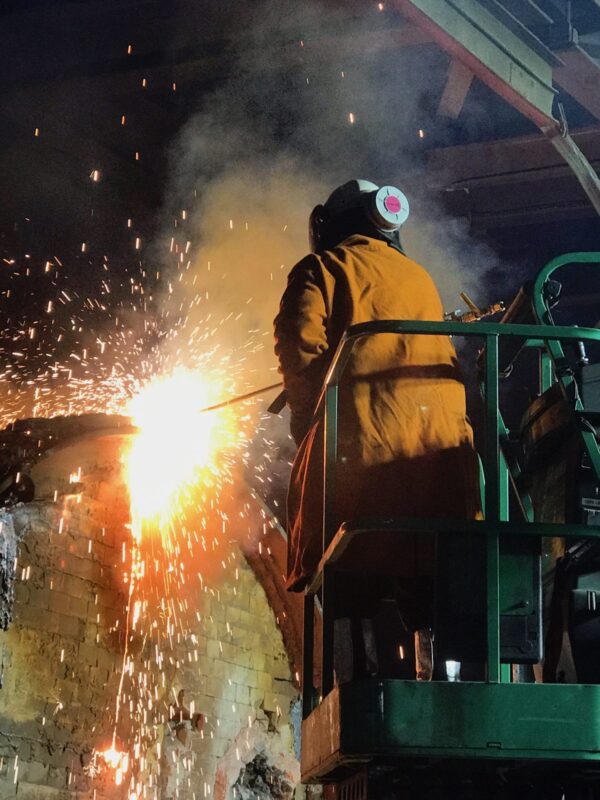
When a furnace lining fails unexpectedly, the costs stack in layers. Production stops immediately, and depending on the operation, that lost output may not be recoverable. Emergency contractor mobilization typically comes at a premium over standard outage work, and lead times on specialty refractory materials can stretch the shutdown window well beyond the repair itself.
In some facilities, a forced outage also disrupts downstream processes, equipment, or customer commitments that add cost far outside the maintenance budget.
The total financial impact varies significantly by industry, furnace type, and operating configuration. Glass, steel, aluminum, and chemical processing operations all carry different exposure profiles. But in most continuous-production environments, the cost per hour of unplanned downtime is high enough that even a modest reduction in outage frequency justifies a serious look at the maintenance approach.
Where Unplanned Failures Usually Start
Refractory failures rarely start as failures. They start as conditions.
Thermal cycling, operating temperature fluctuations, mechanical vibration, chemical attack, and general wear all degrade lining materials over time. Left unmonitored, those conditions gradually reach the point where a failure event becomes likely.
By then, the visible symptoms, things like hot spots, increased fuel consumption, irregular temperature readings, or unusual shell behavior, often indicate that deterioration has already progressed significantly.
The challenge for plant managers and maintenance engineers is that lining degradation isn’t always visible from the outside. Inspection during planned outage windows, combined with attention to operational indicators between shutdowns, gives facilities a much clearer picture of where the lining stands and what the realistic risk exposure looks like going into the next production cycle.
What Can Proactive Maintenance Actually Prevent?
Not every failure is preventable. Linings wear, and eventually they need to be rebuilt. Proactive maintenance doesn’t change that reality; it changes the timing and the terms.
Scheduled inspection and repair work allows facilities to address early-stage deterioration before it becomes a forced outage. It also gives maintenance teams and contractors time to plan properly, stage materials, coordinate labor, and execute the work within a window that fits the production calendar rather than one imposed by a failure event.
In practice, the difference often shows up in scope. Work identified during a planned inspection can frequently be addressed with targeted repairs.
The same deterioration, caught after a failure, may require a more extensive rebuild simply because the lining has been operating past its functional limit. More scope means more time offline, more materials, and a harder conversation with operations about the lost production window.
Proactive maintenance programs typically include regular visual and thermal inspection, documentation of lining condition over time, early identification of at-risk zones, and planned repair cycles timed to existing outage schedules wherever possible.
The specifics vary by furnace type, industry, and operating conditions, but the underlying logic is consistent: information gathered before a failure is more useful than information gathered after one.
The Contractor’s Role in a Proactive Program
 For facilities that rely on outside contractors for refractory work, the relationship matters.
A contractor who knows your furnace, your materials history, and your operating patterns brings a different level of value to an inspection or repair engagement than one mobilizing for the first time under emergency conditions. Familiarity with the application reduces ramp time, improves the quality of the assessment, and allows for more informed recommendations about timing and scope.
Schad works with clients across steel, glass, aluminum, chemical, and mineral processing operations on both scheduled maintenance programs and project-based work. If your facility is overdue for a lining assessment, or if you’re planning your next outage and want an experienced contractor involved early, that’s a conversation worth having before the situation forces it.
Contact Schad to discuss a maintenance assessment for your facility.
Frequently Asked Questions
How much does unplanned furnace downtime typically cost?
The cost of unplanned furnace downtime varies by industry, furnace type, and facility configuration. In continuous-production operations, the combination of lost output, emergency contractor mobilization, expedited materials, and downstream disruption can make unplanned outages significantly more expensive than equivalent work performed during a scheduled shutdown.
What causes refractory lining failures?
Refractory lining failures are typically the result of cumulative wear from thermal cycling, temperature fluctuations, chemical attack, and mechanical stress. Failures rarely occur without prior warning signs, but those signs are not always visible from the outside without a formal inspection.
How often should furnace linings be inspected?
Inspection frequency depends on furnace type, operating conditions, material type, and industry. Facilities with continuous operations or demanding thermal cycles generally benefit from more frequent assessments. A qualified refractory contractor can help establish an inspection schedule appropriate for your specific application.
What is a proactive refractory maintenance program?
A proactive refractory maintenance program typically includes regular inspection of lining condition, documentation of wear patterns over time, early identification of at-risk zones, and planned repair work timed to coincide with existing outage schedules. The goal is to address deterioration before it leads to a forced outage.
What is the difference between a refractory repair and a rebuild?
A repair addresses localized deterioration in a section of the lining, while a rebuild involves replacing the lining more extensively, sometimes in full. Deterioration caught early during scheduled inspections can often be addressed with targeted repairs. The same condition identified after a failure may require a more extensive rebuild, resulting in a longer outage and higher cost.